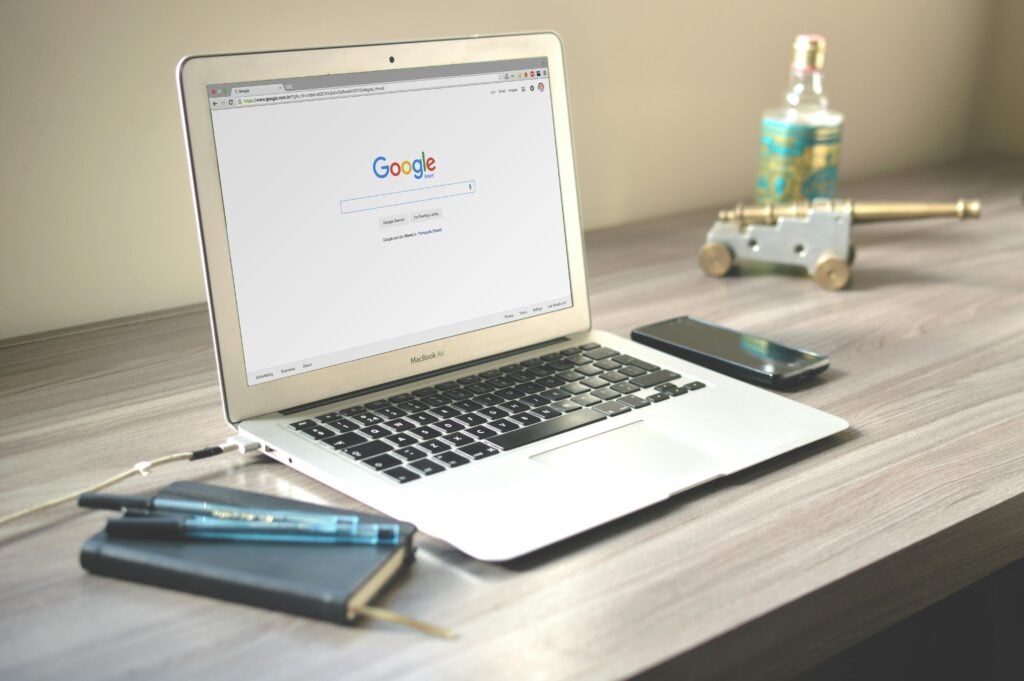
Search is changing faster than ever. More and more often, people are finding the answers they need without ever leaving Google. This trend, known as the zero-click search, is reshaping how businesses think about visibility, traffic, and digital strategy.
What exactly is a zero-click search?
A zero-click search happens when someone enters a query into Google, gets the answer immediately on the results page, and doesn’t click through to any website. This can be thanks to features like Featured Snippets, “People Also Ask” boxes, local business panels, and most recently Google’s AI Overviews and new conversational “AI Mode”.
Why it matters more in 2025
The last year has seen major developments. Google has rolled out AI Overviews across most countries, and UK users are beginning to see a new AI-powered mode in their search results. At the same time, industry data shows a steady decline in the proportion of searches that result in a website visit.
For local businesses, Google Business Profiles have become more important than ever. Customers can check reviews, find directions, make bookings or even send messages directly from Google without touching your site. For publishers and service businesses, there’s a growing gap between impressions (people seeing your content referenced on Google) and actual clicks through to your pages.
Why zero-click happens
There are three main reasons behind the rise of zero-click searches. Each reflects Google’s drive to answer questions faster and keep users inside its own ecosystem:
- Instant answers: Google wants to keep users satisfied on the page, especially for simple facts, definitions, and calculations.
- Local intent: Maps, phone calls, bookings and menu views can all be completed without a site visit.
- AI inclusion: With AI Overviews and conversational search, Google now pulls information from multiple sources and packages it into a neat summary.
What it means for your website metrics
For many businesses, this shift shows up clearly in analytics. Traditional measures of SEO success don’t always tell the full story anymore, and it’s important to understand the new patterns:
- Rising impressions but fewer clicks on certain queries in Search Console.
- Conversions happening within Google’s ecosystem such as calls, directions and bookings rather than on your website.
- Shifts in traffic quality with fewer casual browsers, but a higher share of visitors who genuinely want more detail.
How to navigate the zero-click world
We’re all still learning how to respond to Google’s rapid changes and the rise of AI in search. The landscape is evolving month by month, and no single playbook has all the answers yet. What we do know is that businesses who adapt early and experiment with new approaches are the ones most likely to keep their visibility and build stronger digital foundations.
Here are some practical steps you can take now, based on what’s working so far:
- Target the right intent
- Focus on queries where people need more than a one-line answer. Think comparisons, pricing, in-depth guides, templates, and anything that requires nuance or expertise.
- Make your content “citable”
- Write in clear, structured sections. Use headings, definitions, and step-by-step explanations so Google can easily reference your content. Publish original research, case studies, and practical advice that AI tools are more likely to highlight.
- Optimise for visibility on the results page
Craft meta titles and descriptions that spark curiosity and clicks. - Build topic hubs that demonstrate authority in your field.
Aim for Featured Snippets and “People Also Ask” placements by directly answering common questions. - Maximise your Google Business Profile
Keep details accurate and up to date, upload fresh images, encourage reviews, and make use of features like messaging, booking and posts. Treat your profile as a mini-website. - Create must-click assets
Interactive tools, downloadable templates, original reports and videos give people a reason to visit your site. Google can summarise information, but it can’t deliver an audit tool, an ROI calculator or a gated piece of research. - Build resilience beyond search
Grow your email list, repurpose blog posts into LinkedIn articles or short videos, and invest in brand awareness so more people search for you by name. Navigational searches still drive real clicks.
Measuring what matters
Instead of just watching overall traffic, look at what other metrics are important to your business.
- Which queries generate impressions but are getting low click-through rates.
- How often is your content is appearing in AI answers or rich features.
- How many calls, messages and bookings are generated from your Business Profile.
- Growth in branded searches, direct visits, and email sign-ups.
What businesses should do next
In the coming months, aim to:
- Publish original insights or local research that others will reference.
- Build one or two interactive tools or downloadable resources that people can only get on your site.
- Create a dedicated content hub on AI and digital marketing trends for 2025.
- Refresh your Google Business Profile and use it actively to connect with potential customers.
- Add lead magnets and simple sign-up opportunities to your most visited pages.
Zero-click searches do mean a shift in focus. It’s less about chasing every click and more about being visible, credible, and useful wherever your customers are looking. By adapting early, you can turn these changes into an advantage and build a stronger digital presence that’s fit for 2025 and beyond.